Verified Supplement Data Primary-sourced

Astaxanthin: The Antioxidant With Real (But Narrow) Eye, Skin, and Exercise Evidence — Honestly

By Erin Rose · Updated · Methodology

Educational overview — not medical advice. Astaxanthin does not treat or prevent any eye disease; the evidence here is screen-related visual fatigue in healthy adults. Most trials are small (n=10–61) and several are sponsor-funded — see the disclosures below. This statement has not been evaluated by the FDA. This product is not intended to diagnose, treat, cure, or prevent any disease.

Astaxanthin has four modest, real human-evidence threads, each from small trials. At 9 mg/day, it preserved visual acuity after screen work in adults over 40 (Sekikawa 2023). At 4 mg/day, it improved UV-tolerance and skin texture (Ito 2018). Exercise data is genuinely inconsistent: a small positive at 4 mg (Earnest 2011) sits next to a clean null at 20 mg in trained cyclists (Res 2013). And 6–12 mg/day modestly moved lipid markers in several small trials. None of this is disease treatment, and most trials are industry-sponsored.

As an Amazon Associate we earn from qualifying purchases. Ranked by disclosed mg and cost, never commissions.

Start here

What astaxanthin is (and the four threads that hold up)

Astaxanthin is a red-orange carotenoid pigment, most commonly extracted from the microalgae Haematococcus pluvialis, and marketed as a potent antioxidant. Unlike a deficiency nutrient, there's no baseline requirement to correct — every claimed benefit has to stand on trial evidence of its own. Four threads of human data do stand up, modestly. The strongest is screen-related eye fatigue: a 2023 randomized trial found 9 mg/day for 6 weeks preserved corrected visual acuity after visual-display-terminal work, in a subgroup of adults 40 and older (Sekikawa 2023), and a 2021 trial of a combination formula (astaxanthin plus anthocyanin and lutein) improved pupillary response and subjective focusing (Kizawa 2021) — though that trial can't isolate astaxanthin's individual contribution. Second, a small UV/skin trial found 4 mg/day for 10 weeks raised the minimal erythema dose and improved UV-site skin barrier and texture measures (Ito 2018). Third, exercise performance data is inconsistent (see below). Fourth, several small trials at 6–12 mg/day found modest improvements in LDL, total cholesterol, or oxidative-stress markers (Ciaraldi 2023; Yoshida 2010; Choi 2011; Heidari 2023).

Does it work? (the honest short version)

Modestly, and unevenly across the four threads. The eye-fatigue evidence is the strongest of the four, but it's still two small, industry-funded trials measuring screen-related fatigue — not a treatment for any eye disease; see the full breakdown. The skin data is a single small trial (n=23) with UV-tolerance and moisture endpoints, funded by the manufacturer (FUJIFILM) — real signal, not proof of reversing photoaging. The exercise thread is the most overhyped: Earnest 2011 found a performance improvement in a tiny completer sample (7 per arm, high dropout), while Res 2013 — a cleaner, better-dosed trial in trained cyclists — found no effect on antioxidant capacity, fat oxidation, or time-trial performance despite plasma astaxanthin rising. Give both equal weight: "plausible and inconsistent," never "proven for performance." The lipid data is the most consistent thread, but it's secondary-endpoint data in several small trials, and in one of them (Ciaraldi 2023, n=34), the actual primary endpoint — insulin sensitivity — did not reach significance. None of these threads is nothing. None of them is a cure, either.

The one-line takeaway Astaxanthin has four small, real threads of human evidence — screen-related eye fatigue, UV-skin tolerance, an inconsistent exercise signal, and modest lipid-marker shifts — from small, often sponsor-funded trials. None of it treats eye disease, reverses photoaging, or is a proven performance enhancer. The dose that matters most depends on your reason for taking it — see the dosage guide — and the safety story that matters most is that the widely-cited "2 mg EFSA limit" is a synthetic-rat figure that doesn't apply to what's actually on the shelf.

The buying and safety problem

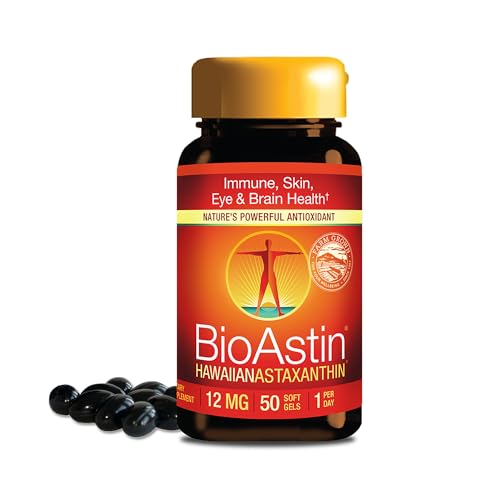
Unlike beetroot's hidden-nitrate problem or boron's calcium-fructoborate disclosure gap, astaxanthin's mainstream retail products in this comparison print astaxanthin mg directly on the label, so a real cost-per-mg ranking is possible — see best astaxanthin. The real differentiator is elsewhere: a traceable, branded natural extract (like Kona-grown BioAstin, with its own trial history) versus an untraceable generic extract with no named source, plus whether the product uses an oil carrier — plausible for a fat-soluble carotenoid, but not RCT-proven versus a non-oil capsule. On safety, the human record across 87 natural-astaxanthin studies at 2–24 mg/day found no serious adverse effects (Brendler & Williamson 2019); the mild, harmless effect some people notice is pink or orange-tinted stool from the carotenoid pigment itself. The one persistent point of confusion is the "2 mg EFSA limit" you may have read about — it comes from a study of synthetic astaxanthin (used in aquaculture fish feed) in rats, a chemically different exposure from the natural algal extract sold as a human supplement, and none of the products compared here are synthetic.

Verification check · Astaxanthin

What we could and could not verify about Astaxanthin

0 of 4Astaxanthin products we track are listed by a third-party certifier we can check

Not one Astaxanthin product in our catalogue appears in the NSF, USP or Informed Sport registries. A “cGMP” line audits the factory, not the Astaxanthin bottle you would actually receive.

Astaxanthin is one of the newer arrivals, where 14 of 17 categories have no certified option at all — demand arrived before verification did.

Method: our Astaxanthin roster matched against the full public registries of third-party-certified supplements in the US — NSF/ANSI 173, USP Verified and Informed Sport, 5,317 listings, retrieved 2026-08-25. Absence means nobody independent has checked that Astaxanthin product, not that it failed. Full method and limitations.

Frequently asked questions

What does astaxanthin actually do?

Four modest threads: screen-related eye-fatigue improvement at 9 mg/day, UV-skin tolerance at 4 mg/day, an inconsistent exercise signal, and modest lipid-marker shifts at 6-12 mg/day. Most trials are small and several are industry-sponsored.

Does astaxanthin help with eye strain?

The strongest evidence pocket: two industry-funded trials (Sekikawa 2023, Kizawa 2021) both improved screen-related visual fatigue measures over 6 weeks. Not a treatment for macular degeneration, cataracts, or any eye disease.

Is the "2 mg EFSA limit" for astaxanthin real?

The figure is real but comes from a synthetic-astaxanthin rat study — it doesn't apply to the natural algal extract sold as supplements. A 2019 review of 87 natural-astaxanthin human studies at 2-24 mg/day found no safety signal.

How much astaxanthin should I take?

Trials range 4-20 mg/day by outcome; commercial products cluster at 12 mg. No RDA or UL exists since astaxanthin isn't essential — natural-source human data supports up to 24 mg/day safely.

What are astaxanthin's best-evidenced benefits?

UV-related skin tolerance and screen-related eye fatigue have the clearest human trial support, both from small trials at low doses. A 2018 trial found 4mg/day for 10 weeks raised the amount of UV exposure skin could tolerate before reddening and reduced UV-related moisture loss (Ito 2018, n=23). A 2023 trial found 9mg/day for 6 weeks preserved visual acuity after screen work, but only in adults 40 and older (Sekikawa 2023, n=60). Exercise performance data is genuinely inconsistent, and cholesterol/lipid effects are real but modest secondary findings. None of this is disease treatment, and most trials are small and industry-funded.

Does astaxanthin actually help skin?

The best single trial here is small but real. Ito 2018 gave 23 healthy adults 4mg/day of astaxanthin or placebo for 10 weeks, then measured how their skin responded to UV exposure. The astaxanthin group tolerated more UV before reddening (a higher minimal erythema dose), lost less moisture in UV-exposed skin, and reported improved skin texture even in non-irradiated areas. That's a genuine signal for UV tolerance and skin barrier function — it is not evidence that astaxanthin reverses wrinkles, photoaging, or any diagnosed skin condition, and it comes from one trial funded by the ingredient's manufacturer, not an independent replication.

Does astaxanthin help with exercise performance or recovery?

This is the least consistent thread in the astaxanthin evidence, and no trial directly measured muscle-soreness recovery. Earnest 2011 gave 4mg/day for 28 days and found a real improvement in 20km cycling time-trial performance, but only 14 of 21 cyclists completed the trial and the positive result came from just 7 people per arm. Res 2013, a cleaner trial in 32 well-trained cyclists at a much higher 20mg/day for 4 weeks, found astaxanthin raised blood levels but produced no change in antioxidant capacity, a marker of exercise-induced oxidative stress, or in time-trial performance. Read together, this is not a proven recovery or performance aid — it's a small positive result that a larger, higher-dose, better-controlled trial did not reproduce.

Does astaxanthin lower cholesterol or support heart health?

Modestly, in secondary-endpoint data from two small trials, not as a cardiovascular treatment. Ciaraldi 2023 gave 12mg/day for 24 weeks to 34 adults with prediabetes and dyslipidemia and found significant drops in LDL cholesterol and total cholesterol, plus reductions in several cardiovascular risk markers — but the trial's actual primary endpoint, insulin-stimulated glucose disposal, only trended toward improvement and did not reach statistical significance. Yoshida 2010 tested 6, 12, and 18mg/day for 12 weeks in 61 people with mild hyperlipidemia and found triglycerides dropped and HDL cholesterol rose significantly, while LDL cholesterol did not change at any dose. These are real, disclosed lipid shifts, not proof astaxanthin prevents heart attacks or strokes.

Does astaxanthin work immediately?

No trial here tested a same-day effect. Every positive result comes from daily dosing over weeks, not a single dose. The eye-fatigue benefit was measured at 6 weeks, and the skin benefit at 10 weeks — those are the trial lengths, not a promise about how soon you'd notice something.

How long until astaxanthin helps eye strain from screens?

The trial that found a benefit ran 6 weeks at 9mg/day (Sekikawa 2023) — that's when visual acuity after screen work was preserved, and only in the 40-and-older subgroup. There's no data on whether the effect showed up earlier than 6 weeks, because acuity wasn't measured at any earlier point in that trial.

How long for astaxanthin to help skin from UV exposure?

The skin trial ran 10 weeks at 4mg/day (Ito 2018) and found improved UV tolerance and skin texture at that endpoint. The trial didn't test or report an earlier time point, so 10 weeks is the trial length that produced a result — not confirmation that nothing happens before then.

Does astaxanthin help exercise performance, and how soon?

The evidence is inconsistent, which matters more than timing. A small 4-week, 4mg/day trial (Earnest 2011) found a cycling improvement in a tiny completer sample. A cleaner 4-week, 20mg/day trial in trained cyclists (Res 2013) found no effect on antioxidant capacity, fat oxidation, or time-trial performance at all, despite blood astaxanthin levels rising. Both ran the same 4 weeks; only one found something.

What is the most common astaxanthin side effect?

In the controlled trials that exist, nothing shows up more often than placebo. A 4-week trial of 12mg/day found no subjective or objective adverse events at all (Saito 2012), and a 4-week dyspepsia trial comparing placebo against 16mg and 40mg/day found no difference in gastrointestinal symptom scores between any of the three groups (Kupcinskas 2008) — meaning even the highest dose formally tested in a controlled trial didn't produce more GI complaints than placebo. Most human data sits at 4-12mg/day; doses much higher than that are essentially untested for tolerability specifically.

Can astaxanthin turn your skin or stool orange or pink?

Stool color, yes — astaxanthin is a red-orange pigment, a portion of any oral dose isn't absorbed, and what passes through can tint stool pink or orange. That's the pigment showing up, not a sign of harm. A mild pink-orange skin tint at high, sustained doses is also reported anecdotally, the same pigment effect showing in skin instead — but it doesn't appear as a documented adverse event in the astaxanthin trials reviewed for this page, including a systematic review specifically covering skin-health trials (Ng 2021). Treat it as a plausible, harmless, but not formally studied cosmetic effect, not a symptom to worry about.

Does astaxanthin thin the blood or lower blood pressure?

The honest answer is: plausible mechanism, no confirmed human effect at typical doses. In hyperlipidemic rats given 30mg/kg/day, astaxanthin reduced platelet aggregation and blood coagulation and increased fibrinolytic activity (Deng 2017) — but that's animal data at a dose that doesn't translate directly to a human mg amount. When a synthetic astaxanthin-derived compound was mixed directly with human blood samples in vitro, across a range up to supratherapeutic concentrations, it did not affect platelet aggregation, coagulation, or fibrinolytic markers in either aspirin-naive or aspirin-treated volunteers (Serebruany 2010). On blood pressure specifically, the one trial in this evidence base that measured it directly — 12mg/day for 8 weeks in women with PCOS — reported significant improvements in insulin resistance and lipids but no significant blood pressure change (Jabarpour 2024). If you take blood thinners, antiplatelet medication (including aspirin), or blood pressure medication, mention astaxanthin to your doctor anyway; unconfirmed at typical doses isn't the same as ruled out.

Does astaxanthin block DHT or affect hormones, and is it safe in pregnancy?

The DHT-blocking claim rests on thin evidence. In a cell-culture assay, astaxanthin inhibited the 5-alpha-reductase enzyme by 98% at 300 micrograms/mL and slowed prostate cancer cell growth in the same dish (Anderson 2005) — an in-vitro concentration, not a measured effect in a living body. The one human hormone trial doesn't isolate astaxanthin either: a combination supplement of astaxanthin plus saw palmetto extract, given to 20 sedentary men at 800 or 1200mg of the blend per day, significantly lowered DHT (and, at the higher dose, estradiol) versus placebo, while testosterone rose 38% without reaching statistical significance (Anderson 2014). Because that's a two-ingredient blend dosed as a whole, it can't show what astaxanthin alone did. No dedicated trial has tested astaxanthin supplementation in pregnant or breastfeeding people at all — that's an absence of data, not evidence of safety, so the standard precaution is to avoid it or check with a doctor first.

Related guides

  • Omega-3 — another fat-soluble antioxidant-adjacent supplement best taken with food
  • CoQ10 — another antioxidant with real-but-narrow human trial evidence
  • Vitamin E — a fat-soluble antioxidant where high-dose trials found signals of harm, not benefit
  • Vitamin C — a water-soluble antioxidant with a very different absorption/dosing story
  • Collagen — another skin-marketed supplement judged against its actual trial evidence

Sources

  1. Sekikawa T, et al. "Effects of astaxanthin from Haematococcus pluvialis on visual acuity after visual display terminal work." J Clin Biochem Nutr. 2023. PMID: 36777084
  2. Kizawa Y, et al. "Effects of anthocyanin, astaxanthin, and lutein supplementation on visual function." J Clin Biochem Nutr. 2021. PMID: 34376917
  3. Ito N, et al. "Effects of astaxanthin supplementation on UV tolerance and skin condition." Nutrients. 2018. PMID: 29941810
  4. Res PT, et al. "Astaxanthin supplementation does not improve whole body or muscle antioxidant capacity, physical performance, or fat oxidation in trained cyclists." Med Sci Sports Exerc. 2013. PMID: 23274592
  5. Earnest CP, et al. "Effect of astaxanthin on cycling time trial performance." Int J Sports Med. 2011. PMID: 21984399
  6. Ciaraldi TP, et al. "Astaxanthin and lipid metabolism in prediabetes and dyslipidemia." Diabetes Obes Metab. 2023. PMID: 36999233
  7. Brendler T, Williamson EM. "Astaxanthin: how much is too much? A safety review." Phytother Res. 2019. PMID: 31788888
  8. Full product dataset: /astaxanthin/cost-by-brand.json (CC BY 4.0).
  9. Yoshida H, Yanai H, Ito K, Tomono Y, Koikeda T, Tsukahara H, Tada N. "Administration of natural astaxanthin increases serum HDL-cholesterol and adiponectin in subjects with mild hyperlipidemia." Atherosclerosis. 2010;209(2):520-3. PMID: 19892350
  10. Tsao, et al. Astaxanthin 4-day loading protocol and time-to-exhaustion, 2025. PMID: 40615903
  11. Saito M, et al. "Astaxanthin increases choroidal blood flow velocity." Graefes Arch Clin Exp Ophthalmol. 2012;250(2):239-45. PMID: 22072378
  12. Ng QX, et al. "Effects of Astaxanthin Supplementation on Skin Health: A Systematic Review of Clinical Studies." J Diet Suppl. 2021;18(2):169-182. PMID: 32202443
  13. Kupcinskas L, et al. "Efficacy of the natural antioxidant astaxanthin in the treatment of functional dyspepsia in patients with or without Helicobacter pylori infection." Phytomedicine. 2008;15(6-7):391-9. PMID: 18467083
  14. Deng ZY, et al. "Effects of astaxanthin on blood coagulation, fibrinolysis and platelet aggregation in hyperlipidemic rats." Pharm Biol. 2017;55(1):663-672. PMID: 27951728 (animal study)
  15. Serebruany V, et al. "The in vitro effects of Xancor, a synthetic astaxanthine derivative, on hemostatic biomarkers in aspirin-naive and aspirin-treated subjects with multiple risk factors for vascular disease." Am J Ther. 2010;17(2):125-32. PMID: 20305399
  16. Jabarpour M, et al. "Astaxanthin supplementation impact on insulin resistance, lipid profile, blood pressure, and oxidative stress in polycystic ovary syndrome patients: A triple-blind randomized clinical trial." Phytother Res. 2024;38(1):321-330. PMID: 37874168
  17. Anderson ML. "A preliminary investigation of the enzymatic inhibition of 5alpha-reduction and growth of prostatic carcinoma cell line LNCap-FGC by natural astaxanthin and Saw Palmetto lipid extract in vitro." J Herb Pharmacother. 2005;5(1):17-26. PMID: 16093232 (in vitro)
  18. Anderson ML. "Evaluation of Resettin® on serum hormone levels in sedentary males." J Int Soc Sports Nutr. 2014;11:43. PMID: 25183955 (astaxanthin + saw palmetto combination product)
On this page
  1. Benefits
  2. How long it takes
  3. Side effects
  4. Products

Astaxanthin Benefits: What the Research Actually Supports

Ready to buy? See the best astaxanthin ranked by real cost per mg, where every product discloses its dose directly →

Skin: the best single-trial evidence astaxanthin has

The strongest individual result in the astaxanthin evidence base is a skin trial, not the more commonly cited eye-strain data. Ito 2018, PMID: 29941810 randomized 23 healthy Japanese adults to 4mg/day of astaxanthin or placebo for 10 weeks, then tested how their skin handled UV exposure. The astaxanthin group tolerated significantly more UV before reddening (a higher minimal erythema dose), lost less moisture from irradiated skin, and reported improved “rough skin” and texture scores even in areas that weren't irradiated. That's a genuine, disclosed signal for UV tolerance and skin barrier function at a low dose.

Read it precisely, though: this is one small trial (n=23), it was funded by FUJIFILM — the manufacturer of the astaxanthin ingredient tested — and it measured UV tolerance and moisture, not wrinkle depth, collagen density, or any claim about reversing existing photoaging. “Astaxanthin helps skin handle UV stress at 4mg/day, in one funded trial” is the honest claim; “astaxanthin is an anti-aging skin supplement” is not what this trial tested.

Eye strain and screen fatigue: the more widely cited claim

This is the benefit astaxanthin is most often marketed for, and the evidence is real but narrower than the marketing suggests. A 2023 randomized trial gave 60 healthy adults 9mg/day for 6 weeks and found it preserved corrected visual acuity after visual-display-terminal (screen) work — but only in the subgroup aged 40 and older; there was no effect in people under 40, and no difference in functional visual acuity or pupil constriction rate between groups (Sekikawa 2023, PMID: 36777084). It is not evidence astaxanthin treats or prevents macular degeneration, cataracts, or any diagnosed eye disease. We've written up the age-subgroup detail and a second combination-formula trial in full on the dedicated eye-strain page.

Exercise performance and recovery: a genuine split, not a proven benefit

This is the thread most likely to be overstated, and no trial in this evidence base directly measured muscle-soreness recovery — the exercise data is about performance and oxidative-stress markers instead. Earnest 2011, PMID: 21984399 gave 21 competitive cyclists 4mg/day for 28 days and found a real improvement in 20km time-trial performance in the astaxanthin group (average 121 seconds faster) versus placebo (19 seconds faster) — but only 14 of 21 participants completed the trial, splitting the positive result across just 7 people per arm. Res 2013, PMID: 23274592, a larger and better-controlled trial in 32 well-trained cyclists and triathletes, used a much higher 20mg/day for 4 weeks and found plasma astaxanthin rose from undetectable to measurable levels, yet produced no change in total antioxidant capacity, malondialdehyde (an oxidative-stress marker relevant to recovery), fat oxidation, or time-trial performance.

Two trials, opposite results, and the larger/higher-dose one found nothing — that is the honest read, not “astaxanthin boosts performance” or “speeds recovery.” If you're taking astaxanthin specifically for exercise performance or recovery, go in expecting an unproven, inconsistent effect rather than a reliable one.

Cholesterol and cardiovascular markers: real, but modest and secondary

Two trials found lipid changes at moderate doses, but both come with caveats worth reading before treating this as a heart-health benefit. Ciaraldi 2023, PMID: 36999233 gave 34 adults with prediabetes and dyslipidemia 12mg/day for 24 weeks and found significant drops in LDL cholesterol and total cholesterol, plus reductions in several cardiovascular risk markers (fibrinogen, L-selectin, fetuin-A) — but the trial's actual primary endpoint, insulin-stimulated glucose disposal, only trended toward improvement and did not reach statistical significance. Yoshida 2010, PMID: 19892350 tested 6, 12, and 18mg/day for 12 weeks in 61 people with mild hyperlipidemia and found triglycerides dropped (significant at 12 and 18mg) and HDL cholesterol rose (significant at 6 and 12mg), alongside an increase in adiponectin — but LDL cholesterol and BMI were unaffected at every dose tested.

Put together: astaxanthin moved different lipid markers in different directions across the two trials (LDL down in one, unchanged in the other; HDL up in one, not measured as a primary outcome in the other), both were small and used the cholesterol/lipid findings as secondary rather than primary endpoints, and neither trial measured hard cardiovascular outcomes like heart attack or stroke. Treat this as “a real, modest lipid-marker signal worth watching,” not a substitute for statin therapy or a proven heart-disease benefit.

Why dose and timing with food matter for all of these

Astaxanthin is a fat-soluble carotenoid, so absorption depends on taking it alongside dietary fat — with a meal, or in a softgel that already carries an oil base. The benefit that shows up also depends on which dose was actually studied: the skin and one positive exercise trial used 4mg/day, the eye-fatigue trial used 9mg/day, and the lipid trials used 6–12mg/day. There's no evidence a bigger number does more — the 20mg/day exercise trial, the highest dose in this comparison, is the one that found nothing. Source also matters: nearly every retail supplement is natural astaxanthin from the microalgae Haematococcus pluvialis, not the synthetic form used in fish feed, which is the source tested in the safety data these trials rely on. See the full dose-by-use-case breakdown on the dosage guide and the source question on natural vs. synthetic astaxanthin.

Astaxanthin benefits at a glance, by evidence strength
BenefitTrial dose & durationWhat the trial foundKey caveat
UV-skin tolerance4mg/day, 10 weeks (Ito 2018, n=23)Higher UV tolerance before reddening; less moisture loss; better texture scoresOne small trial, funded by the ingredient manufacturer
Screen-related eye fatigue9mg/day, 6 weeks (Sekikawa 2023, n=60)Preserved visual acuity after screen workOnly in adults 40+; no effect under 40; not disease treatment
Exercise performance4mg (n=21) vs. 20mg (n=32), 4 weeks eachPositive at 4mg (small completer sample); no effect at 20mgHigher-dose, better-controlled trial found nothing
Cholesterol/lipids6–18mg/day, 12–24 weeksLDL/total cholesterol down in one trial; HDL up, LDL unchanged in the otherSecondary endpoints; no hard cardiovascular outcomes measured

How Long Does Astaxanthin Take to Work?

Know your dose already? See the best astaxanthin picks ranked by cost per mg →

Timeline by Goal

Every duration below is the length of the actual trial that produced the result — not a marketing estimate, and not an onset time. None of these trials measured an earlier time point, so "6 weeks" or "10 weeks" means that's when the outcome was checked, not necessarily the earliest point it could appear.

Astaxanthin timelines as reported in the clinical trials cited on this site
Goal What the Evidence Shows Source-Trial Duration
Eye / screen fatigue (Sekikawa 2023) Preserved corrected visual acuity after screen work — only in the ≥40y subgroup; no effect under 40 Measured at 6 weeks, 9mg/day; industry-funded
UV-skin tolerance (Ito 2018) Raised minimal erythema dose; improved skin barrier and texture measures Measured at 10 weeks, 4mg/day; industry-funded
Exercise, positive (Earnest 2011) Improved 20km time-trial performance — in a tiny completer sample (7 per arm) with high dropout Measured at 4 weeks (28 days), 4mg/day
Exercise, null (Res 2013) No effect on antioxidant capacity, fat oxidation, or time-trial performance in trained cyclists, despite rising blood astaxanthin Measured at 4 weeks, 20mg/day — a cleaner, better-dosed trial than Earnest 2011
Loading protocol (Tsao 2025) Increased time-to-exhaustion in a small sample (n=10, young males) 4-day loading protocol, 28mg/day, before a single exhaustion test

Sources: Sekikawa T, et al. J Clin Biochem Nutr. 2023. PMID 36777084; Ito N, et al. Nutrients. 2018. PMID 29941810; Earnest CP, et al. Int J Sports Med. 2011. PMID 21984399; Res PT, et al. Med Sci Sports Exerc. 2013. PMID 23274592; Tsao 2025, PMID 40615903 — all cited on our dosage guide.

How long each astaxanthin trial ran, by outcome
0 wks 2.8 wks 5.5 wks 8.3 wks 11 wks Eye fatigue (Sekikawa) 9 mg/day, ≥40y subgroup 6 wks Skin/UV (Ito) 4 mg/day 10 wks Exercise, positive (Earnest) 4 mg/day, tiny sample 4 wks Exercise, null (Res) 20 mg/day, trained cyclists 4 wks — no effect
Trial length is not an onset time — it's when researchers happened to check. The two 4-week exercise trials used different doses and reached opposite conclusions. Source: Sekikawa 2023 (PMID 36777084); Ito 2018 (PMID 29941810); Earnest 2011 (PMID 21984399); Res 2013 (PMID 23274592).
How long each astaxanthin trial ran, by outcome
ItemValue ( wks)
Eye fatigue (Sekikawa)6 wks
Skin/UV (Ito)10 wks
Exercise, positive (Earnest)4 wks
Exercise, null (Res)4 wks — no effect

What to Take While You Wait

Commercial dose Nutricost Astaxanthin 12 mg $0.0194/mg

12mg/day is the dose most commercial products and the lipid-marker trials used. If eye fatigue is your specific goal, the 9mg dose in the Sekikawa trial is closer to what's in the table above — see the dose-matched pick below.

Check price →

4mg dose NOW Foods Astaxanthin 4 mg (Zanthin) $0.0484/mg

4mg/day is the exact dose used in the skin trial (Ito 2018) and the positive exercise trial (Earnest 2011) above.

Check price →

As an Amazon Associate we earn from qualifying purchases. Picks are matched to the dose in the trial above, never ranked by commission.

Why the Exercise Row Contradicts Itself

Both exercise trials ran the same 4 weeks. Earnest 2011 found a performance improvement at a lower 4mg/day dose, but in a tiny completer sample with high dropout. Res 2013 — a cleaner, better-dosed trial at 20mg/day in trained cyclists — found nothing, even though blood astaxanthin levels rose as expected.

That's not a timeline disagreement. Both trials checked at the same 4-week mark. It's a result disagreement: a higher dose and a more rigorous design found no performance benefit at all. Don't read "4 weeks" as a confirmed onset window for exercise performance — read it as "this is when two trials checked, and they disagreed."

What the Trials Don't Tell You

None of the trials above tested an earlier check-in. The 6-week eye-fatigue trial didn't measure visual acuity at 3 weeks; the 10-week skin trial didn't check at 5 weeks. So there's no evidence either way about whether these effects build gradually, appear all at once near the endpoint, or show up sooner than tested.

The lipid and oxidative-stress trials at 6-12mg/day (cited on the astaxanthin hub) don't specify a trial duration in what's published. That's why no duration for that use case is listed in the table above.

When to Reassess

For screen-related eye fatigue, the trial that found a benefit checked at 6 weeks — and only in adults 40 and older. If you're under 40, that trial found no effect at any point tested.

For UV-skin tolerance, the trial checked at 10 weeks. For exercise performance, don't expect a benefit at all — the more rigorous of the two trials found none at 4 weeks despite a higher dose.

Astaxanthin Side Effects: Why It Is Unusually Well Tolerated

Looking for a tested product? See our best astaxanthin ranked by cost per mg, which also covers the branded-extract and source questions →

The honest headline: a clean record, from short trials

Across the human trials behind astaxanthin's benefit claims, the safety data is consistently unremarkable. A 4-week trial of 12mg/day in healthy adults, run to measure choroidal blood flow, reported no subjective or objective adverse events at all (Saito 2012, PMID: 22072378). A systematic review of clinical trials testing astaxanthin for skin health, mostly at 3–6mg/day, likewise reported no serious adverse events across the studies it covered (Ng 2021, PMID: 32202443). The broadest safety review available, covering 87 human studies of natural astaxanthin at doses from 2 to 24mg/day (35 of them at 12mg/day or higher), found no safety signal across that range (Brendler 2019, PMID: 31788888) — the same review behind the site's dosage guidance that the widely-cited "2mg EFSA limit" comes from a synthetic-astaxanthin rat study and doesn't apply to the natural, algae-derived supplement sold today (see natural vs. synthetic).

On the specific question of GI upset, a 4-week, 132-person trial in people with functional dyspepsia randomized to placebo, 16mg/day, or 40mg/day found no difference in gastrointestinal symptom scores between any of the three groups — covering abdominal pain, indigestion, and reflux (Kupcinskas 2008, PMID: 18467083). The 40mg/day dose in that trial is well above the 4–12mg most commercial products use, which makes the null result on GI symptoms more reassuring, not less — the highest dose actually tested in a controlled trial didn't produce more stomach complaints than sugar pills. None of this means side effects never happen to any individual; it means the trial record doesn't show them happening more than chance. Astaxanthin is fat-soluble, so taking it with a meal that contains some fat is standard practical advice for absorption, independent of any tolerability claim.

Harmless but alarming: skin and stool tint

Astaxanthin is, chemically, a concentrated red-orange pigment. Because a portion of any oral dose isn't absorbed and passes through the gut, some people notice their stool turn pink or orange — the carotenoid itself becoming visible, not a sign anything is wrong. A similar, milder pink-orange tint to the skin is reported anecdotally at high, sustained doses, the same pigment effect showing up in a different place. Read that carefully, though: none of the controlled trials reviewed for this page — including a systematic review built specifically around skin-health outcomes at 3–6mg/day (Ng 2021) — documented skin discoloration as an adverse event. That could mean it's genuinely rare at studied doses, or that trial doses (mostly under 12mg/day) sit below whatever threshold produces a visible tint. Either way, treat it as a plausible, cosmetic, non-dangerous possibility rather than a documented trial finding, and don't confuse it with retinal pigment changes reported for a different carotenoid (canthaxanthin) used at very high doses in older tanning-pill products — that is a distinct compound with its own separate safety record, not astaxanthin.

Blood pressure and blood thinning: a plausible mechanism, no confirmed human effect

The animal and human data on this point disagree, and the human data is what matters more. In hyperlipidemic rats given oral astaxanthin at 5, 10, or 30mg/kg/day for four weeks, the highest dose reduced blood coagulation and platelet aggregation and increased fibrinolytic (clot-dissolving) activity, measured directly via coagulation-panel and platelet-aggregation assays (Deng 2017, PMID: 27951728) — animal data, at a per-kilogram dose that doesn't translate directly into a human milligram amount. Separately, when a synthetic astaxanthin-derived compound was mixed directly with blood samples from human volunteers, across a concentration range running from below physiologic levels up to supratherapeutic, it had no measurable effect on any of 25 platelet, coagulation, or fibrinolysis biomarkers tested, in either aspirin-naive or aspirin-treated subjects (Serebruany 2010, PMID: 20305399). That study used a synthetic derivative, not the natural algal extract sold as a supplement, so it doesn't settle the question either — but it's the closest thing to direct human platelet data that exists, and it found nothing.

On blood pressure specifically, the one trial in this evidence base that measured it as an outcome — women with PCOS taking 12mg/day for 8 weeks — reported significant improvements in insulin resistance, lipid markers, and oxidative stress, but did not report a significant change in blood pressure (Jabarpour 2024, PMID: 37874168). Put together: there's a real, mechanistically plausible signal in animal platelet data, and no confirmed effect on blood pressure or clotting in the human data available at commercial doses. That gap — plausible but unconfirmed — is exactly why this is a "talk to your doctor first" caution rather than a settled interaction: if you take anticoagulants, antiplatelet drugs (including daily aspirin), or blood pressure medication, mention astaxanthin before starting, since the absence of a confirmed human effect isn't the same as a ruled-out one.

5-alpha-reductase, hormones, and pregnancy caution

Astaxanthin sometimes gets marketed alongside DHT-blocking or hair-loss claims. The evidence behind that is thin and mostly doesn't come from a living body: in a cell-culture assay, astaxanthin inhibited the 5-alpha-reductase enzyme (the one that converts testosterone to DHT) by 98% at a concentration of 300 micrograms/mL, and separately slowed the growth of a prostate cancer cell line in the same dish (Anderson 2005, PMID: 16093232). That's an enzyme-inhibition result in a test tube, not a measured hormonal effect in a person, and the study makes no claim about what concentration oral supplementation actually reaches in human tissue.

The one human hormone trial that exists doesn't isolate astaxanthin either. Twenty sedentary men took a combination supplement of astaxanthin plus saw palmetto berry extract (Resettin/MyTosterone) at 800mg or 1200mg of the combined product per day, in a 14-day crossover design. Both doses significantly lowered DHT versus placebo, and the 1200mg dose also significantly lowered estradiol; testosterone rose 38% but didn't reach statistical significance (Anderson 2014, PMID: 25183955). Because it's a two-ingredient blend dosed as a whole — not a stated astaxanthin-only amount — this trial cannot show what astaxanthin alone contributed, if anything. Call the DHT/5-alpha-reductase claim weak, not disproven: real published data exists, but none of it isolates and confirms an effect from astaxanthin by itself in the human body.

That same gap in isolated human hormone data is why pregnancy and breastfeeding get a hard caution rather than a specific warning: no dedicated trial has tested astaxanthin supplementation in pregnant or breastfeeding people at any dose. That's an absence of safety data, not evidence that it's fine — the standard, conservative approach is to avoid it, or check with a doctor first, during pregnancy or while nursing.

Astaxanthin side effects at a glance

Astaxanthin safety questions, what the evidence actually shows, and who it matters to
QuestionWhat the evidence showsStrengthWho it matters to
GI upsetNo difference vs. placebo at 16–40mg/day (Kupcinskas 2008); no adverse events at 12mg/day (Saito 2012)Reassuring — even the highest tested dose showed nothingAnyone using commercial 4–12mg doses
Stool / skin tintPigment passes through unabsorbed (stool); skin tint reported anecdotally at high doses, not documented in trialsPlausible, harmless, not formally studiedHigh-dose, long-term users
Blood pressureThe one trial that measured it directly (12mg/8wk) found no significant changeNo confirmed human effect at commercial doseAnyone on BP medication, as a precaution
Blood thinning / plateletsReduced platelet aggregation & coagulation in rats (30mg/kg); no effect in human blood in vitro (synthetic derivative)Animal signal, human data null but indirectAnyone on anticoagulants, antiplatelets, or aspirin
5-alpha-reductase / DHT98% inhibition in a cell-culture assay; DHT lowered in a confounded astaxanthin+saw-palmetto blend trialWeak — not isolated to astaxanthin in humansAnyone relying on hair-loss/BPH marketing claims
Pregnancy / breastfeedingNo dedicated human trials found at any doseAbsence of data, not evidence of safetyPregnant or nursing

Compare Astaxanthin Products by Cost Per Day

If you're ready to buy, here's how the astaxanthin products we track and verify compare on cost per day.

Ranked by cost per day, lowest first — from the Verified Supplement Data catalog, prices reviewed August 2026.
ProductDose/ServingServingsPriceCost/DayCertification (as labelled)Buy
NOW Foods Astaxanthin 4 mg (Zanthin)
Best Value
4mg astaxanthin90$17.43$0.20None statedBuy on Amazon
Nutricost Astaxanthin 12 mg
12mg astaxanthin120$27.95$0.23None statedBuy on Amazon
Sports Research Triple Strength Astaxanthin 12 mg
12mg astaxanthin60$26.95$0.44None statedBuy on Amazon
Nutrex Hawaii BioAstin 12 mg
12mg astaxanthin50$34.49$0.69None statedBuy on Amazon